
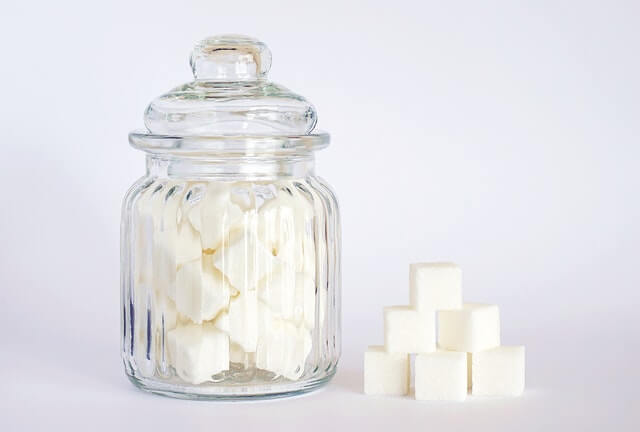
What is Sugar?
Sugar is a simple sugar molecule made up of two parts: a sugar ring (the part that is sweet) and a group called the “OH”. There are a number of different sugars, including glucose, fructose, and sucrose (table sugar). Most people know glucose as the main sugar in the human body.
The OH group is the part of the molecule that makes it sweet. Sugar is found in all living things, but not all sugars are created equal. Sugars are generally categorized into four types: mono-sugars, disaccharides, oligosaccharides, and polysaccharides. Mono-sugars:
A single sugar molecule, such as glucose, fructose, or galactose. Disaccharides: Two sugar molecules attached together, such as sucrose. Oligosaccharides: A few sugar molecules attached together, such as maltose and lactose. Polysaccharides: Many sugar molecules joined together, such as starch. Glucose is a monosaccharide. It is the main sugar in the human body. Glucose is made up of one sugar ring and one OH group. Fructose is a monosaccharide that is also present in some plants and fruit. Fructose has two sugar rings and two OH groups.
Sucrose (table sugar) is a disaccharide composed of two glucose molecules joined together by an oxygen-containing chemical bond called a glycosidic linkage. The word “sugar” comes from the Latin word for sweet, “sucus.” The word “sucrose” comes from the Latin word for sweet and the Greek word for water, “hydros.” Monosaccharides, disaccharides, and oligosaccharides are all simple sugars. Polysaccharides, on the other hand, are more complicated. Polysaccharides are made up of long chains of sugar molecules, and can have thousands of sugar molecules attached to one another. Sugars are often used in food products. Sugar is also used as a sweetener in many foods. Sugar is also added to drinks and desserts. Sugar is also used in some medicines. One example is insulin. Insulin is a hormone that is needed to help the body use sugar properly. Insulin is injected into the body under the skin. It is made up of two types of sugar: L-glucose and L-proprionate.
Is sugar healthy?
Let’s focus on whether sugar is healthy. Sugar is a carbohydrate that we consume in two forms: natural and processed. Natural sugars are found in fruit, dairy, and other foods. Processed sugars are added to food during preparation (e.g., baking) and packaging (e.g., candy). The American Heart Association recommends consuming no more than 6 teaspoons of added sugar per day for women and 9 teaspoons for men. A teaspoon of sugar contains approximately 10 grams of carbohydrates. This translates into about 1/3 cup of raisins, 1/3 cup of chocolate chips, or about 2 tablespoons of maple syrup. However, when eating whole foods sugars do not have the same negative impact due to the additional antioxidants and fibre within the whole food. This is a con of counting calories. Do the calories come with healing benefits or stress factors?
In a meta-analysis of 24 studies involving almost 70,000 participants, a high intake of added sugars was associated with an increased risk of type 2 diabetes and cardiovascular disease. Sugar is not just a carbohydrate, but also a preservative, so if we remove sugar from our diet, we need to replace it with something else.
What replaces sugar?
A new generation of sugar-free sweeteners is being developed to replace the popular white granulated sweetener. And they may soon be as easy to use and convenient for consumers as their sugar-filled counterparts. Many of these will have health issues due to overconsumption, thus leaving us with similarly unhealthy impacts from such replacement. We like to blend up fruit and add it to our cooking and meats to add a sweet taste while also preserving the benefits of eating wholefoods with natural sugars. Avoiding or limiting refined sugar is something that you could easily do that could change your health outcomes for the better.
As for the preservation quality, we can add ingredients like coconut oil. Coconut oil has been found to help preserve food and in some cases, even extend the shelf life of food. It is also believed to have a positive impact on digestion.
References
Institute of Food Technologists. “Coconut Oil Extract May Be A Weapon Against Food Bacteria.” ScienceDaily. ScienceDaily, 10 September 2009.


